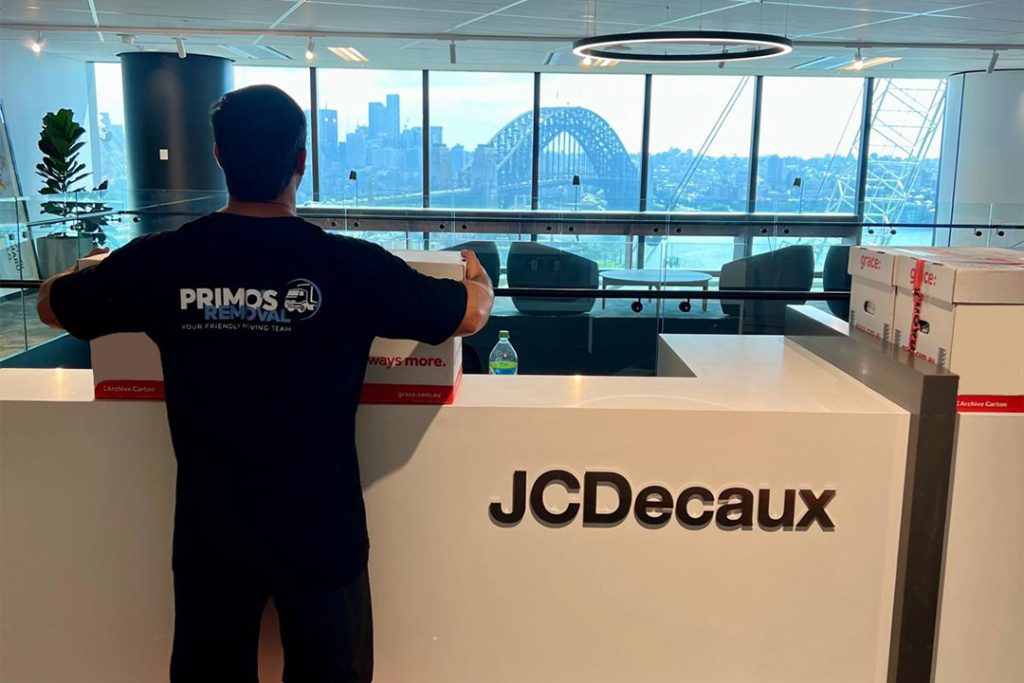
Moving your office, retail space, or warehouse across Sydney sounds like a logistical nightmare, doesn’t it? Between coordinating staff, managing inventory, and keeping customers in the loop, a commercial relocation can quickly spiral into chaos. But here’s the thing, it doesn’t have to.
When you’re planning commercial removals in Sydney, the difference between a smooth transition and a week-long disaster comes down to preparation. This guide walks you through every practical step, from booking loading dock access to packing your server room, so your business stays operational while your desks are in transit.
Why Commercial Moves Need More Than a Truck and Some Boxes
Shifting a business isn’t like moving house. You’re not just relocating furniture, you’re transporting livelihoods. One missed delivery window or damaged piece of IT equipment can cost thousands in lost productivity. That’s why commercial removals require a different approach altogether.
Sydney businesses face unique challenges too. Narrow CBD laneways, strict building access times, and limited loading zones mean you can’t just rock up with a truck at 9 am and hope for the best. Add in the pressure to minimise downtime, and suddenly your office relocation needs military-level planning.
Start With a Realistic Timeline
Most businesses underestimate how long a commercial move actually takes. A small office might need two weeks of prep; a multi-floor fitout could require two months. Start by working backwards from your lease end date, then factor in these milestones:
Six to eight weeks out: Book your trusted commercial removalist and new premises. Notify staff, suppliers, and clients about the move date. Create an asset inventory covering everything from workstations to that forgotten filing cabinet in the storeroom.
Four weeks out: Arrange lift bookings and loading dock access at both locations. Sydney buildings, especially in Barangaroo, North Sydney, or the CBD, often require advance booking and site induction paperwork. Don’t leave this until the last minute, or you’ll be carrying desks up twelve flights of stairs.
Two weeks out: Start packing non-essential items. Archive old files, disconnect servers (with your IT team’s help), and label everything clearly. This is also when you’ll want to brief your team on the move-day plan, so everyone knows where they’re meant to be and when.
Get Your Access Sorted Early
Here’s where most business moves stumble. You’ve booked the truck and crew, but you haven’t checked whether your new building allows deliveries during business hours. Or worse, you discover the loading dock is shared with three other tenants, and you’re stuck waiting in the street.
For commercial removals in Sydney, especially in high-rise buildings, you’ll need to coordinate:
- Lift bookings: Many buildings require advance booking for service lifts. Some charge fees; others have strict time windows (often after 6 pm or before 7 am). Confirm the lift dimensions too. There’s nothing worse than discovering your boardroom table won’t fit.
- Loading dock access: If your building has shared docks, book your slot early. Peak moving season (end of financial year, December) fills up fast.
- Parking permits: For street-level access in areas like Surry Hills or Newtown, you might need council permits to reserve parking for your truck. Apply at least two weeks ahead.
- Building insurance and induction: Some commercial properties require proof of insurance and a site safety induction before your crew can start work. Sort this paperwork early to avoid delays.
Separate Your IT Gear From Everything Else
Your servers, monitors, and phones are your business. One poorly packed hard drive could wipe out years of client data. That’s why IT equipment moves deserve their own checklist.
Start by backing up everything. Seriously, everything. Cloud backups, external drives, the works. Then work with your IT team to disconnect servers safely. Label every cable (yes, every single one), photograph your setup, and use anti-static bubble wrap or foam for packing.
For larger businesses with server rooms, consider hiring specialists who understand cable management and rack systems. Your removalist should handle desks and chairs, but mission-critical tech often needs expert hands. If you’re running a retail operation with point-of-sale systems, test everything at the new site before opening day.
Pack Smart With Protective Packing and Clear Labels
Commercial packing isn’t about shoving stuff into boxes. It’s about protecting assets and ensuring your team can find what they need on day one. Use sturdy archive boxes for files, blanket wrap for monitors and glass surfaces, and label everything by room and workstation.
Here’s a labelling system that actually works: colour-code by department (blue for finance, green for ops, red for management), then number each box with a detailed inventory list. That way, when your crew arrives at the new office, they’ll know exactly which boxes go to which desk, and you won’t spend the first week hunting for the stapler.
Don’t forget to pack a “day one” box for each team with essentials: phone chargers, stationery, tea, coffee, and any documents they’ll need immediately. Trust me, your staff will thank you when they’re not digging through ten boxes to find a pen.
Consider an After-Hours Move for Minimal Downtime
If your business can’t afford to close for a full day, an after-hours move might be your best option. Most commercial removals in Sydney services offer evening and weekend moves, so you can pack up Friday night and be operational Monday morning.
After-hours moves work especially well for retail stores (who can’t close during peak trading hours), medical clinics (where patient appointments can’t be rescheduled), and hospitality businesses (who need to keep serving customers). Just factor in the extra coordination; night moves often cost slightly more, but the trade-off in minimal downtime is usually worth it.
Workstation Re-Set: Getting Back to Business Faster
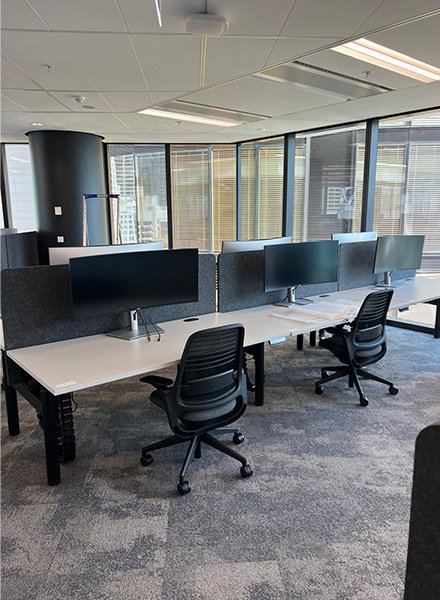
Once your furniture arrives, don’t just dump boxes in the middle of the floor and call it done. A proper workstation re-set makes all the difference. This means reassembling desks, reconnecting monitors, and positioning chairs ergonomically, so your team can sit down and start work immediately.
Some businesses arrange for their removalist to handle furniture assembly, while others prefer their IT team to reconnect equipment. Either way, have a floor plan ready showing where each workstation goes. This saves hours of shuffling desks around on move day.
Risk Assessment and On-Site Safety
Commercial moves involve heavy lifting, tight spaces, and expensive equipment. That means you’ll need a proper risk assessment before anyone lifts a box. Identify potential hazards, trip risks, narrow doorways, stairs without handrails, and brief your crew accordingly.
Most professional removalists will conduct their own site safety checks, but if you’re coordinating multiple contractors (IT specialists, electricians, furniture installers), make sure everyone’s on the same page.
Proof of Delivery
You’ve spent weeks planning this move, so the last thing you want is missing inventory. That’s where proof of delivery (POD) photos come in handy. Many Sydney removalists now send SMS updates and take photos of loaded trucks, unloaded items, and final room setups.
If a chair goes missing or a desk gets scratched, you’ve got photographic evidence to sort it out quickly. Ask your removalist whether they offer SMS updates with estimated arrival times too. It saves you (and your team) from sitting around waiting.
What Happens to Packing Debris?
Here’s something people forget: once you’ve unpacked 200 boxes, where does all that cardboard go? Some removalists include debris removal in their quote; others charge extra. Clarify this upfront, especially if you’re moving into a building with strict waste management rules.
For eco-conscious businesses, ask whether your removalist recycles packing materials. Sydney’s got plenty of recycling depots, and most professional movers will sort cardboard, bubble wrap, and plastic for proper disposal.
Ready to Book Your Commercial Move?
Planning commercial removals in Sydney doesn’t have to be overwhelming. With a clear timeline, sorted access, properly packed IT equipment, and a reliable removalist who understands business moves, you can relocate with minimal fuss and maximum efficiency.
Whether you’re shifting a five-desk startup or a multi-floor corporate office, the key is preparation. Get your access sorted early, protect your tech, and work with a team that knows Sydney’s buildings and traffic patterns inside out. That way, you can focus on running your business—not chasing missing furniture.
Need a quote for your upcoming business move? Contact Primo’s Removal for transparent pricing, flexible scheduling, and a team that treats your assets like their own.