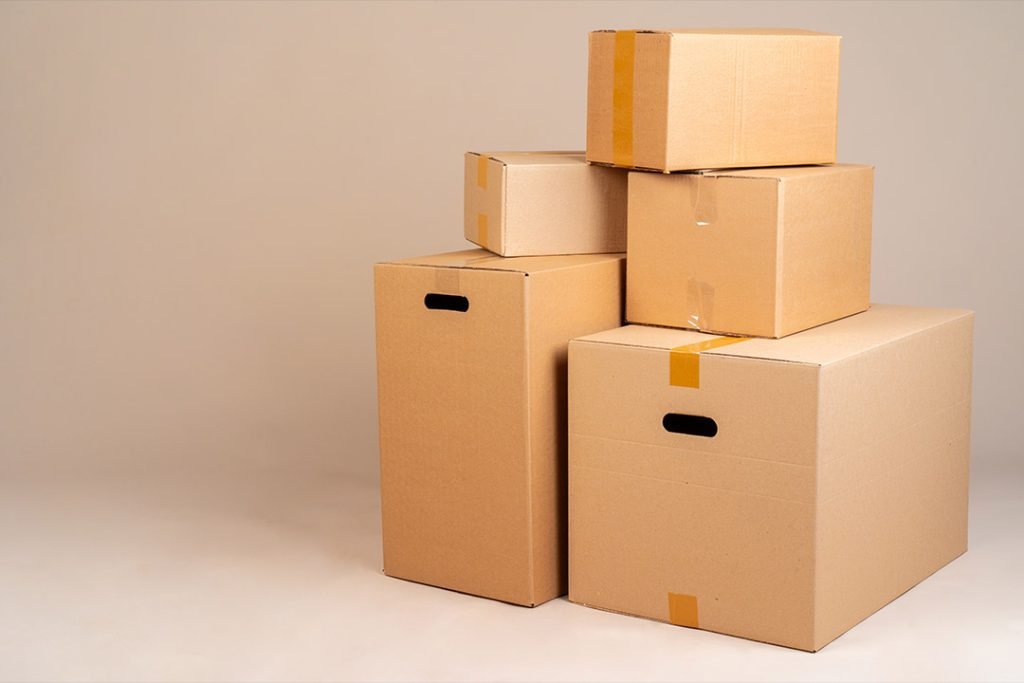
Moving day can be both exciting and stressful. One question that often trips people up is: how much space will my belongings take? Understanding what is a cubic metre can turn guesswork into precision. By grasping this simple unit of volume, you’ll ensure you book the right truck size, avoid hidden costs and keep your move running smoothly.
In this guide, we’ll explain the cubic metre in everyday language, show you how to measure your items, and demonstrate why this knowledge is key to a cost-effective relocation. You’ll learn practical tips, common pitfalls, and even how to pack like a pro. Whether you’re shifting a one-bedroom flat or an entire house, this article will empower you to plan with confidence. Let’s get started!
Breaking Down the Cubic Metre Concept
A cubic metre (m³) is simply the space inside a cube that measures one metre on each side. Picture a box that’s 1 m long, 1 m wide and 1 m tall – that’s exactly one m³. In the moving industry, we use this universal measurement to quantify how much “room” your possessions will occupy on a removal truck.
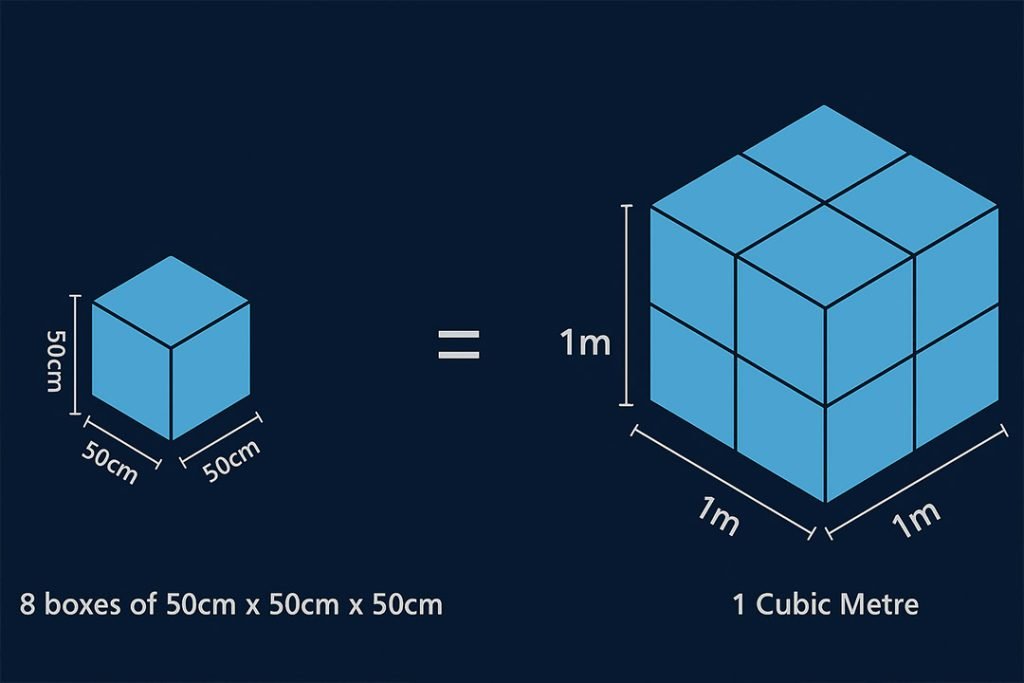
Why is this so helpful? Because it standardises volume across all shapes and sizes. Whether it’s a stack of books or an upright piano, converting items into cubic metres gives removalists a clear picture of your total volume. That way, you only pay for the space you need – and you avoid booking a lorry that’s too small (or suspiciously large!).
Why Volume Matters for Your Move
Accurate volume assessment lies at the heart of a stress-free relocation. First, it ensures you select the correct vehicle size. Underestimating volume can force an extra trip, while overestimating means you’re paying for unused space. Both scenarios ramp up your moving costs unnecessarily.
Second, having precise cubic metre figures allows you to compare quotes fairly. Removal companies base their charges on volume, not weight, so knowing your exact m³ helps you negotiate or verify estimates. You’ll spot outliers right away if one quote is dramatically higher than another.
Third, volume understanding helps with budgeting and timing. By calculating total m³ early, you can determine how many removalists you need and how long loading might take. This foresight prevents last-minute surprises, such as being quoted extra labour time because your move takes longer than planned.
Calculating Your Moving Volume Made Simple
Learning how to work out cubic metres is straightforward when you follow these three methods.
Rectangular and Box-Shaped Items
- Measure length, width and height in metres (e.g. 1.2 m × 0.8 m × 0.6 m).
- Multiply: 1.2 × 0.8 × 0.6 = 0.576 m³.
- Round up sensibly – it’s better to slightly overestimate than under.
Irregularly Shaped Belongings
When an item isn’t a neat box (think armchairs or guitars), imagine the smallest box that would contain it. Measure that box’s dimensions and calculate m³ as above. Although this overestimates slightly, it ensures you don’t run out of space on the day.
Cylindrical Objects (e.g. drums, bins)
- Measure the diameter and divide by two to get the radius (r).
- Use formula: π × r² × height.
- For a cylinder 0.5 m in diameter and 1 m tall: r = 0.25 m → π × (0.25²) × 1 ≈ 0.196 m³.
Top tip: Always add a margin (about 5–10 per cent) to account for packing materials like bubble wrap or blankets. Removalists need to factor in those extra layers, too!
Typical Household Items and Their m³ Volumes
Below is a handy reference table. Actual measurements can vary, so use this as a guide and then measure your own belongings for accuracy.
| Item | Approximate Volume (m³) |
| Small Fridge | 0.90 |
| Queen-Size Mattress | 0.80 |
| Three-Seater Sofa | 2.20 |
| Dining Table (6-seater) | 1.20 |
| Dining Chairs (each) | 0.15 |
| Wardrobe | 1.50 |
| Single Bed Frame | 1.30 |
| Coffee Table | 0.40 |
| Bicycle | 0.50 |
| TV Cabinet | 0.80 |
Putting Volume to Work When Packing
Knowing what is a cubic metre empowers you beyond mere calculations. Here’s how to apply it:
- Plan Your Loading Sequence
Start with the bulkiest, heaviest items first. By knowing each piece’s volume, you can reserve the truck’s deepest corners for large furniture and stack lighter boxes on top. - Group Similar Volumes Together
Pack items of similar sizes in the same box or crate. That way, when you tally your total m³, you’ll see exactly how many boxes of each type you’ve used – streamlining both packing and unpacking. - Protect Fragile Goods
Fragile items often occupy irregular shapes. Use your cubic metre estimate to allocate extra space for cushioning materials like bubble wrap or blankets, ensuring nothing gets crushed. - Estimate Labour Requirements
If you’ve got 15 m³ of belongings, professional removalists will know roughly how many team members and hours to allocate. This prevents unexpected labour charges on moving day.
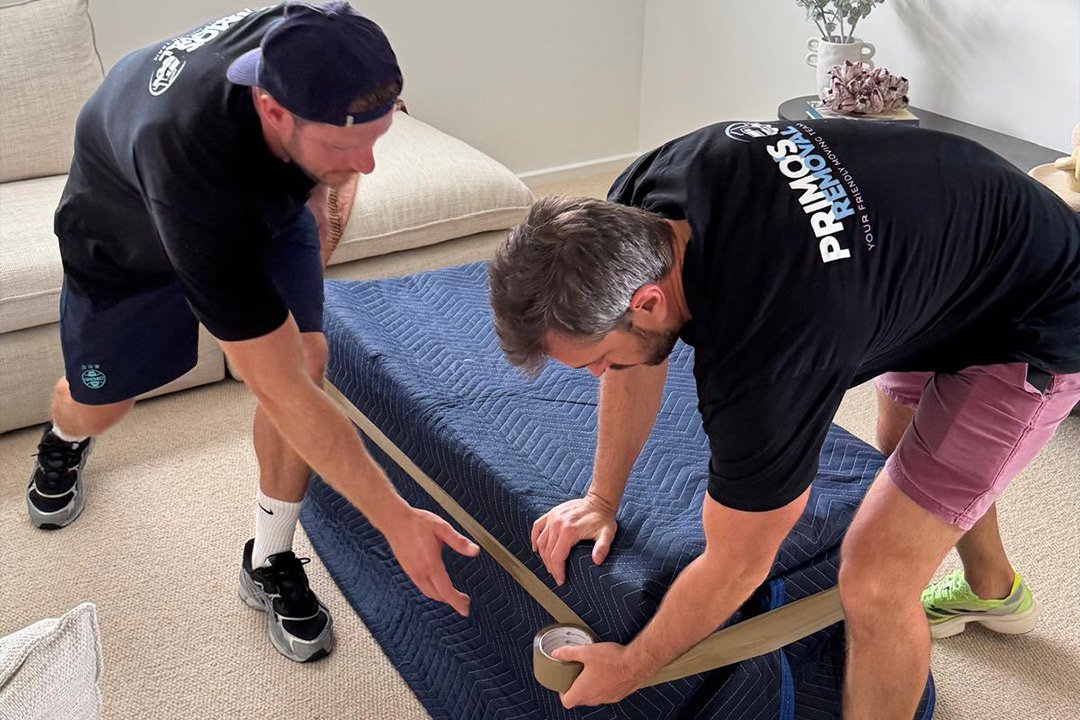
By thinking in cubic metres, you transform a chaotic pile of possessions into an organised packing plan.
Choosing the Right Truck Based on m³
Removal trucks vary widely in capacity. Matching your total volume to the correct vehicle avoids wasted space and extra trips. Here are typical options:
- 18 m³ (4-tonne truck): Ideal for a one- to two-bedroom flat. Think mattress, sofa, kitchen items and a few boxes.
- 28 m³ (6-tonne truck): Suits a two- to three-bedroom home. Accommodates larger furniture, numerous boxes and appliances.
- 38 m³ (8-tonne truck): Best for substantial houses or small commercial moves. Perfect for multiple large items, bulky wardrobes and office equipment.
Example
If your total m³ adds up to 22, a 28 m³ truck gives you breathing room for last-minute items. Booking an 18 m³ vehicle would inevitably require a second trip.
Clever Space-Saving Strategies
Maximise your cubic metre usage with these quick tips:
- Disassemble Large Items: Take apart wardrobes and beds. A flat pack uses far less volume.
- Stack Uniform Boxes: Square boxes nest neatly, reducing gaps.
- Fill Gaps with Soft Goods: Cushions or duvets can fill odd corners, preventing air pockets.
- Use Vacuum Bags: Compress clothing and bedding to save space.
- Label by Volume: Write the m³ on each box—“0.2 m³”—so movers know precisely where to place it.
Adopting these strategies helps you squeeze every last cubic metre out of the hired truck, cutting down on unnecessary costs.
Avoiding Common Volume Estimation Errors
Even seasoned movers slip up. Watch out for these pitfalls:
- Ignoring Packing Materials: Bubble wrap, blankets, and void fillers add volume. Always include them in your total.
- Misjudging Irregular Shapes: Eyeballing a chair’s size often leads to underestimation. Use the imaginary-box method instead.
- Not Rounding Up: Small decimals add up. Always round each item’s m³ to the nearest 0.05 or 0.1.
- Forgetting Small Items: Don’t overlook lamps, mirrors or garden tools—each contributes to your total.
Pro tip: Use a free online cubic metre calculator alongside your manual measurements. Cross-check figures to guarantee accuracy. If in doubt, ask your removalist for a professional onsite volume assessment before moving day.
Conclusion
Understanding what is a cubic metre transforms the daunting task of moving into a measured, budget-friendly process. From calculating precise volumes to matching the right truck and packing strategically, this knowledge saves time and money.
Ready to plan your move with confidence? Contact Primo’s Removal today for a free volume assessment. Our experts will ensure you get the perfect vehicle and a transparent quote—no surprises, just a smooth transition to your new home.